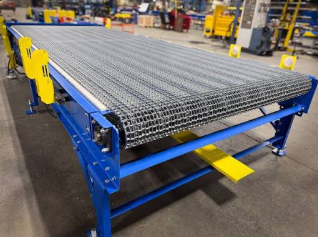

Innovation is often associated with advanced technology, complicated systems, and entirely new ways of doing things. However, some of the most effective ideas are built around a surprisingly simple principle: removing unnecessary complexity while improving functionality. From minimalist architecture to everyday household products, thoughtful simplicity continues to influence modern design. This approach can also be seen in practical engineering solutions such as Flat Wire Belting, which demonstrates how a straightforward structure can deliver useful performance across different applications.
Why Simplicity Is Becoming an Important Part of Innovation
Modern products and systems are expected to perform efficiently without creating additional complications. Consumers and businesses increasingly value designs that are durable, easy to maintain, and practical over the long term. As a result, designers are reconsidering whether adding more components or features always leads to better results.
Simplicity does not mean compromising on quality or functionality. Instead, it involves understanding the primary purpose of a product and designing around its essential requirements. A well-planned structure can reduce unnecessary material use, simplify maintenance, and make everyday operations more predictable. This philosophy is visible in many areas, including modular furniture, compact electronic devices, minimalist interiors, and modern transportation systems.
Understanding the Practical Design of Flat Wire Belting
Flat Wire Belting is a type of metal conveyor belting constructed using flat metal strips arranged in an interconnected pattern. Its design provides a relatively open surface while maintaining a structured arrangement suitable for material movement. Depending on the construction, the belt can offer a combination of strength, stability, and airflow.
One interesting aspect of this design is how individual components contribute to the performance of the complete structure. The arrangement of the metal strips creates an interconnected surface without requiring a completely solid sheet of material. This can be beneficial in applications where air circulation, drainage, or visibility through the belt surface is important.
The design also highlights an important engineering principle: a product does not necessarily need an elaborate construction to perform a demanding function. Careful consideration of material properties, component placement, and structural requirements can often produce an effective solution with relatively straightforward construction.
The Balance Between Material Efficiency and Performance
Material efficiency has become an important consideration in modern product development. Designers must consider not only how much material is required but also how effectively that material contributes to the intended function.
Open-surface structures provide an interesting example of this balance. Rather than using a continuous solid surface, an interconnected arrangement can provide the required support while allowing air and liquids to pass through designated openings. In conveyor applications, this characteristic can be useful for processes involving cooling, drying, washing, or drainage.
However, material efficiency must always be evaluated alongside operational requirements. Factors such as load capacity, temperature exposure, product dimensions, corrosion resistance, and operating speed influence the suitability of a particular belt design. A lighter or more open construction is not automatically better for every situation. Effective engineering involves identifying the right balance between structural strength and practical performance.
Why Adaptable Designs Have Long-Term Value
Another advantage of thoughtful engineering is the ability to accommodate different operating conditions. Products used in commercial and industrial environments often face changing requirements, making adaptability an important design consideration.
Flat Wire Belting can be manufactured in different configurations, with variations in material, dimensions, and opening patterns depending on the intended application. Stainless steel options, for example, may be considered where corrosion resistance, hygiene, or exposure to moisture is a concern. The appropriate specification depends on the environment and the demands placed on the equipment.
This flexibility reflects a broader lesson in innovation. Instead of developing a completely different solution for every situation, designers can sometimes modify an established structure to address specific requirements. Such an approach can make product development more practical while maintaining consistency in design principles.
What Simple Engineering Can Teach Modern Designers
The principles behind straightforward engineering solutions have applications beyond material-handling equipment. They encourage designers to question unnecessary complexity, understand how individual components interact, and focus on the actual needs of users.
For example, modular product design uses standardised components to create different configurations without requiring an entirely new system. Similarly, modern architecture often incorporates open layouts and multipurpose spaces to make better use of available areas. In both cases, the goal is to achieve greater functionality through careful planning rather than simply adding more features.
The same thinking applies to maintenance and product longevity. A structure with accessible components and a logical arrangement may be easier to inspect, clean, and maintain. These considerations are particularly important in environments where equipment operates regularly and unexpected downtime can affect productivity.
Conclusion
The innovation paradox reminds us that progress does not always depend on making things more complicated. Sometimes, the greatest improvements come from refining existing ideas, choosing appropriate materials, and ensuring that every component serves a clear purpose. Flat Wire Belting offers a practical example of how a relatively straightforward structure can support different operational requirements through thoughtful engineering.
As design priorities continue to evolve, the balance between simplicity, durability, and functionality will remain important. Wire Belt is one example of a company working with metal conveyor belt solutions, where construction details and material choices help address specific application needs. Ultimately, smarter design is not about adding complexity but about achieving better results through purposeful decisions.