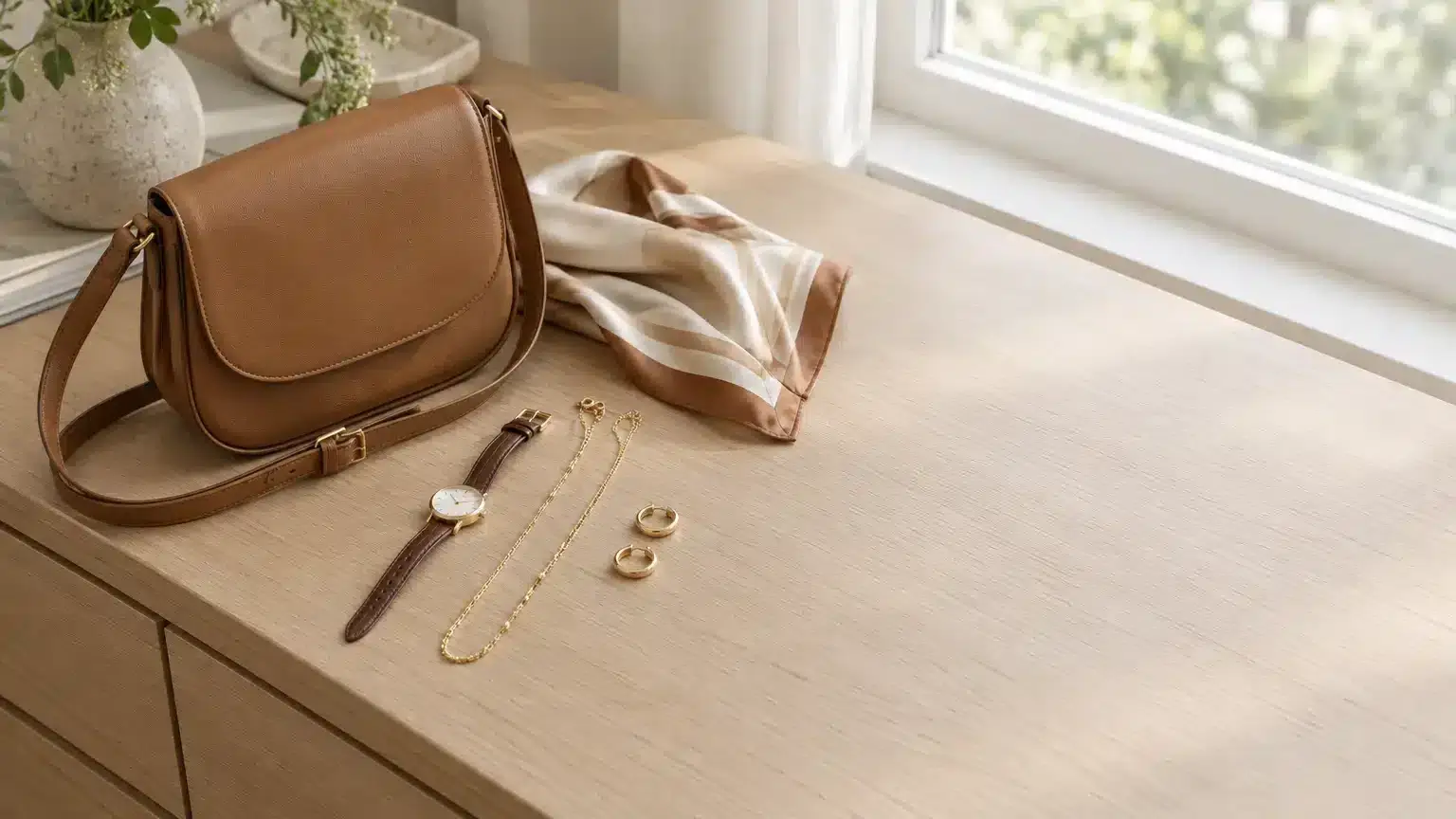

A thoughtfully selected handbag can bring together an outfit while helping keep daily essentials organised. For many people, a bag is more than a finishing touch: it is a practical companion for commuting, shopping, travelling and social occasions. Choosing the right one involves understanding personal needs, preferred materials and the situations in which the accessory will be used.
A versatile collection does not need to contain dozens of designs. A few carefully selected pieces that serve different purposes can be more useful than a large number of bags that rarely leave the wardrobe.
Start With Your Daily Routine
Before choosing a new handbag, consider how you spend a typical day. Someone who travels by public transport may prioritise a secure closure and comfortable strap. A person working in an office might need room for a phone, wallet, keys and a few additional essentials. For weekend activities, a lighter and more compact option may be preferable.
Making a list of everyday belongings helps establish the size you need. It also prevents choosing a design that is either too small or unnecessarily large.
Think about how often you need quick access to your belongings. External pockets or well-arranged compartments can make frequently used items easier to reach, while a secure main compartment helps keep personal possessions together.
Choosing the Right Material
Material has a major influence on the appearance and character of a handbag. Leather remains a popular choice because of its texture, structure and ability to complement different styles of clothing. Its appearance can range from understated and smooth to more textured and expressive.
When comparing a handbag women leather collection, pay attention to the finish, construction and care requirements. A bag’s material should suit the way you intend to use it. An accessory carried frequently may need more attention to maintenance than one reserved for occasional outings.
Quality is not determined by material alone. Stitching, seams, hardware, lining and handles all contribute to durability and usability. Reading product specifications can help you understand what you are purchasing.
Balancing Size and Function
The ideal handbag provides enough space without becoming difficult to carry. A compact option can be convenient for short outings, while a medium-sized design may offer greater flexibility for longer days.
Avoid choosing a bag based only on its external appearance. Check the actual dimensions and compare them with items you regularly carry. A structured shape may help maintain organisation, whereas a softer design may offer a more relaxed appearance.
Internal compartments can be useful, but too many sections may reduce the space available for larger belongings. Consider whether you prefer a simple interior or a more organised layout.
Creating a Consistent Personal Style
Accessories can help express personal taste without requiring a complete wardrobe change. Neutral colours are often easy to coordinate with different outfits. Black, brown, beige and other understated shades can work across seasons and occasions.
For people who enjoy more expressive styling, a distinctive colour or shape can add personality to a simple outfit. The key is to consider how frequently the design will be worn and whether it complements existing clothing.
A handbag can also provide contrast. For example, a structured design may balance relaxed clothing, while a softer silhouette can complement tailored outfits.
Comfort and Construction
A handbag should feel comfortable when carried. Consider the weight of the empty bag, the shape of its handles and the way its strap sits against the body. If you expect to carry it for several hours, comfort should be a priority.
Inspect the fastening system as well. A closure should be straightforward to operate while keeping belongings secure. Zips, magnetic fastenings and other closure styles each offer different advantages, depending on the design.
Regular care can help maintain the accessory. Store it carefully, avoid overfilling it and follow the manufacturer’s recommendations for cleaning and protection.
Making a More Considered Purchase
A useful purchase begins with clear priorities. Decide whether capacity, material, comfort, colour or versatility matters most. Then compare available designs against those requirements.
It can also help to consider cost per use. A handbag that works with many outfits and suits regular activities may provide more practical value than one purchased for a single occasion. This does not mean choosing the most expensive option; it means selecting a design that genuinely fits your lifestyle.
Frequently Asked Questions
1. What makes a handbag versatile?
A versatile handbag combines practical capacity, comfortable carrying options and a design that works with different outfits. Neutral colours and uncomplicated shapes are often easy to style.
2. Is leather a practical material for regular use?
Leather can be suitable for regular use, depending on its type, finish and construction. It requires appropriate care, so always follow the manufacturer’s guidance.
3. How many handbags should a person own?
There is no fixed number. A small collection covering everyday activities, work and occasional events may be sufficient. Personal routines and preferences should guide the decision.
Conclusion
Building a versatile accessories collection is about choosing pieces that serve a clear purpose. By considering daily routines, material, size, construction and personal style, shoppers can select handbags that are both useful and enjoyable to carry. A well-considered design can become a reliable part of everyday dressing rather than an occasional purchase.