
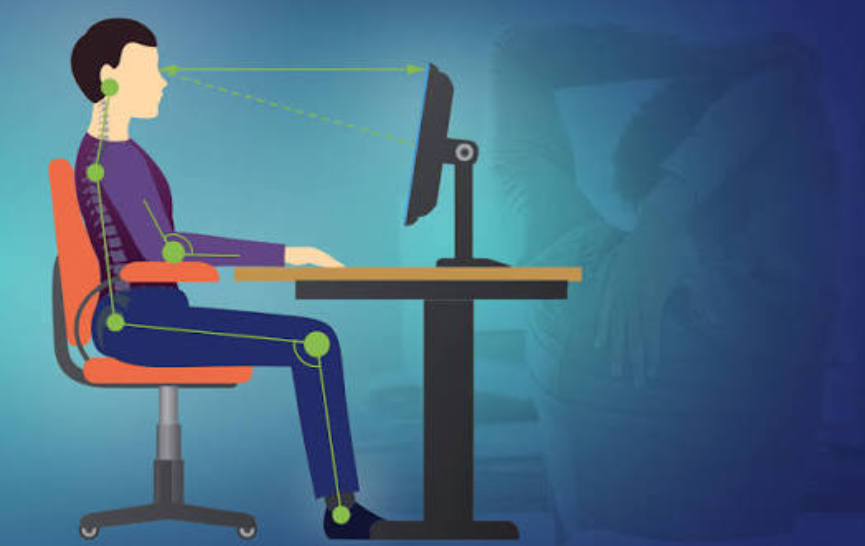

Unlike an office worker, a phlebotomist rarely stays in one settled position. The job involves repeated reaching, leaning, turning and repositioning around each blood draw. Over a shift, strain can build from this repeated pattern rather than from one clearly poor posture.
A Shift of Repetitive Work
Phlebotomy involves repetitive seated work because a worker’s torso, shoulders and hands return to similar positions throughout the day. A musculoskeletal disorder affects muscles, joints, tendons or related tissues. Work can increase the risk when workers have few chances to change position.
When reviewing a blood-draw station, procurement teams often start with the seating, including the phlebotomy chairs in UK manufacturers offer in their wider examination and phlebotomy ranges. Seating matters, but a chair cannot make up for a trolley placed too far away or a sharps bin that staff must turn to reach for every draw.
A blood-draw station is not the same as a general desk. The phlebotomist needs to focus on a precise clinical task while reaching for routine supplies, handling used equipment and preparing for the next patient. If the layout offers no easier option, small movements can become standard.
Procurement and Posture
Posture should factor into procurement because room design influences the movements staff repeat in routine work. A fixed-height seat or badly placed supply surface can turn an awkward movement into the standard approach, even when a phlebotomist knows how to sit and reach well.
The UK regulator treats musculoskeletal risk as an employer responsibility, not a test of personal resilience. HSE guidance on musculoskeletal disorders at work explains employer duties, manual handling, upper limb disorders and workstation posture, bringing repetitive clinical tasks within a recognised workplace risk framework.
A blood-draw room need not look like an office desk setup for that framework to apply. What matters is the physical strain on the worker, including how long a position is maintained, how often a reach is repeated and whether the room permits small adjustments between patients.
Equipment choices can fix those demands in place for years. A procurement review should assess who uses the station, how the worker approaches it and where frequently used items are placed during a busy session, rather than judging the chair by its product image alone.
Where Strain Builds
Strain can build when a phlebotomist holds the trunk forward or turned during work that demands close attention. The worker may stay beside the patient for a draw, then reach behind for supplies or turn toward a disposal point. Repeating the sequence with little pause can keep the body in strained positions.
Reach distance often gets less attention than it warrants. Supplies placed beyond easy arm’s reach may prompt shoulder extension and forward leaning. A trolley set at an awkward angle can also make each collection require a turn through the back instead of a direct movement of the hand.
Sharps bin placement can shape the working sequence. A bin behind the seat, low down or beyond the worker’s usual reach may add a repeated twist at the end of each procedure. The concern is not that one turn causes harm, but that the room makes the movement unavoidable throughout the session.
Fixed seating brings another difficulty. A chair height that suits one staff member may leave another working with raised shoulders, bent knees or unsupported feet. Neither position gives staff much room to change posture during repeated procedures.
Recognised Staff Risk
Phlebotomy safety matters to health workers and patients alike. The WHO guidelines on phlebotomy practice note that every stage of the procedure may expose health workers to risks, including needle-stick injuries.
Posture at the workstation is distinct from needle safety, though the management approach is similar. Clinics should treat the blood-draw station as a work area that can limit strain or build awkward movements into the task.
A room may look comfortable yet still force poor movement. The key is whether the phlebotomist can keep necessary items close, shift position between draws, and discard used equipment without reaching or turning more than needed.
Layout Review Points
Review the whole working setup, not just the chair specification. HSE provides risk-assessment resources for musculoskeletal disorders, including tools on manual handling and repetitive tasks. Those resources support assessing work patterns alongside furniture choices.
Managers can see how the room works without guessing. Ask a phlebotomist to perform the usual sequence without altering the layout for the demonstration, then observe where their hands, shoulders and torso must move at each stage.
- See whether seat height suits staff of different sizes, while keeping feet supported and shoulders relaxed.
- Keep routine supplies within easy reach, so staff need not lean forward or twist their torso.
- Position the trolley and sharps bin so staff can use them without repeated twisting or reaching behind the seat.
- Review rota and break arrangements to ensure staff can stand, move and change posture during busy sessions.
Adjustment controls help only if staff can use them to make the task easier. A chair may have height adjustment, but a fixed trolley can still force a stretch, or poorly placed disposal equipment can require staff to turn.
Room size may limit the choices, especially in an established clinic. Still, bringing frequently used supplies closer, adjusting the trolley angle or shifting the sharps bin may eliminate an awkward movement without a full room refit.
See also: Where to Find the Best Kababs in Pickering, Whitby and Oshawa
Before You Order
A blood-draw workstation should be reviewed as a set of movements, not as a single furniture purchase. Seat adjustment, supply reach, trolley position and sharps disposal placement all shape the postures a phlebotomist repeats across the day.
Procurement leads should watch the ordinary work sequence before deciding that a room is adequately set up. A demonstration should include preparation, the draw, disposal and resetting the station, because a chair that appears suitable can still sit within an awkward working arrangement.
Use the observed reaches, turns and fixed positions to guide the equipment and layout decision.
